

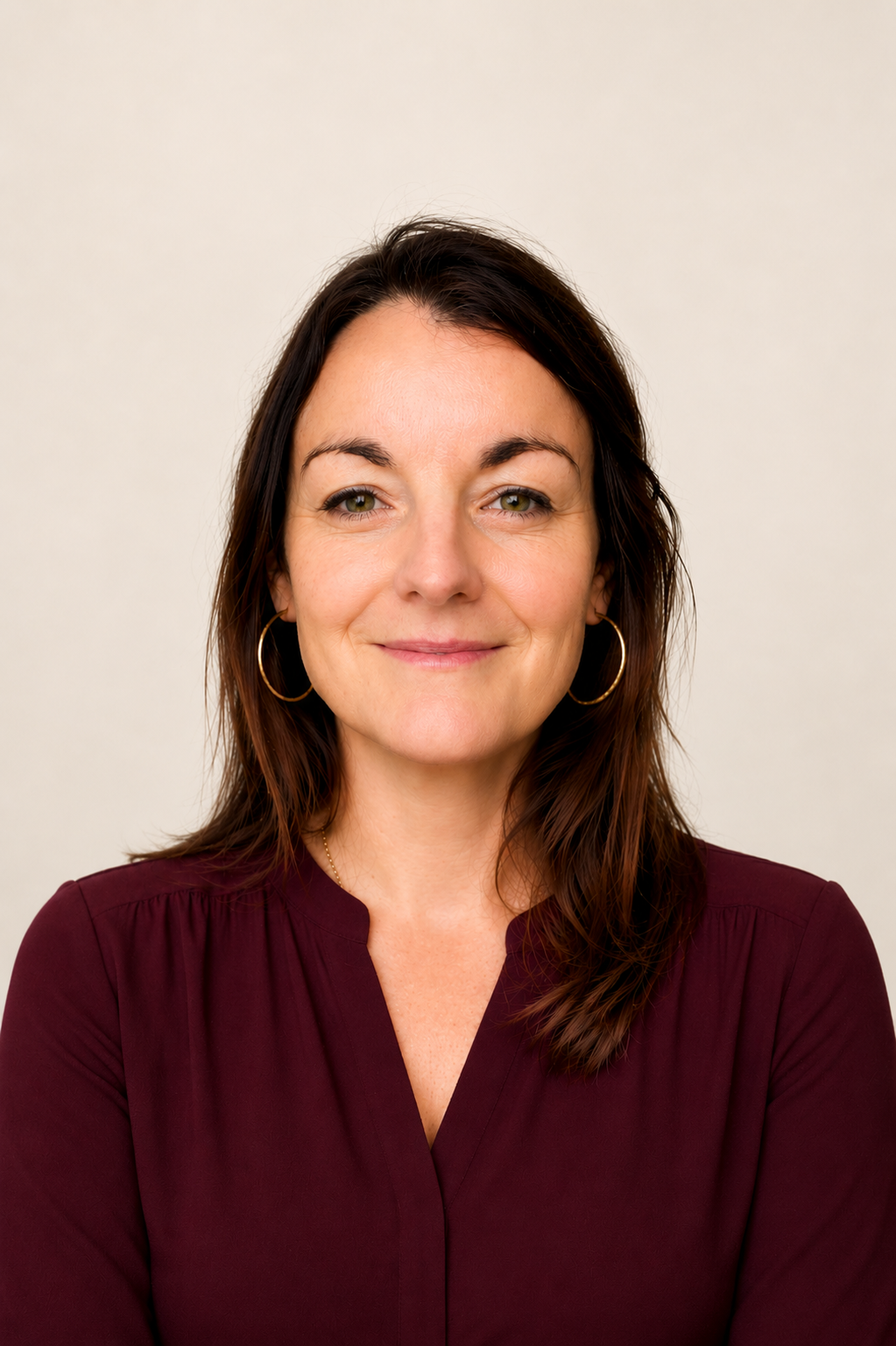
Experience
I have over 20 years of experience supporting children, young people, families, carers and professional networks across education, health, social care, and residential settings. For the past 15 years, I have worked as a child and adolescent psychotherapist within specialist CAMHS services, including adoption, children-in-care, eating disorder and community mental health teams. Alongside this, I have supported families in my private practice offering therapeutic parenting, Theraplay and child and adolescent therapy.
Earlier in my career, I supported children and young people with complex needs in residential children's homes and as a learning support assistant and primary school teacher. These experiences provided me with valuable experience supporting children and young people with a huge range of mental health needs across a range of settings. As a result, my work is grounded in both psychological theory and also practical experience.
My passion lies in helping children and young people feel better understood and for the adults that care or teach them to feel more equipped to understand and connect with them. I have developed specialist expertise in supporting neurodiverse children and young people, as well as those affected by trauma, working closely with the adults who care for and support them to promote understanding, connection, and positive change.
Therapeutic Consultant
Alongside my work as a child psychotherapist in the Children in Care Mental Health Service, CAMHS, in East Sussex (formerly LACMHS), I have developed extensive experience in delivering consultation, assessment and formulation, training, reflective practice, therapeutic parenting, supervision, psychological assessment and crisis support to professionals and organisations supporting children and young people in care and their supportive adults in schools, residential children's homes, fostering agencies, local authority services and other therapeutic organisations.
I use my seven year masters and doctorate training in child and adolescent psychodynamic psychotherapy and further draw on the approaches of Dyadic Developmental Psychotherapy (DDP), Playfulness, Acceptance, Curiosity and Empathy (PACE), Theraplay and Non-Violent Resistance (NVR) to inform my work as a therapeutic consultant. Through this work, I help organisations, teams and supportive adults, parents and carers to use trauma-informed and neurodiversity-affirming principles into everyday practice, creating environments where children and young people can feel safe, understood, and supported to thrive.
My work focuses on helping organisations move towards fully integrated therapeutic models of care. I support leadership teams and practitioners to embed trauma-informed and relationship-based approaches at every level of service delivery, ensuring that therapeutic principles become part of the culture, decision-making, and everyday practice of the organisation.
Every organisation, team, and child is unique, which is why I offer a range of services that can be tailored to meet your specific needs. By working in partnership, my aim is to help build a shared understanding of trauma-informed and relationship-based care, creating a culture where therapeutic principles are embedded into everyday practice.
Child and Adolescent Psychotherapist
It can feel really hard and challenging if you child is struggling and experiencing emotional, developmental or behavioural difficulties and finding the right therapist who understands your concerns is important. So that you can gain a better understanding of who I am and how I can support your child and family, I can offer a 15 minute free phone call.
My experience has helped me get a good understanding of being able to understand the support that families may want or need and I drawn on different psychological approaches depending on the needs of each family. My core training is psychoanalytic psychotherapy which I studied for seven years to a masters and doctoral level. This type of therapy helps to explore the deeper underlying feelings, experiences, and relationship patterns that influence thoughts, behaviour, and development. Rather than focusing only on symptoms, it aims to understand why a child is struggling. I then try provide parents and carers with relevant strategies, tools and resources to help make shifts and changes.
With each family that I support, I draw on a range of additional approaches depending on what would feel most helpful. These include; play therapy, child psychotherapy, adapted CBT for younger children, Theraplay, DDP, NVR and systemic approaches (see the additional info for a more detailed description of these therapeutic approaches).
At the heart of my work with children, I incorporate parents and carers as much as possible and aim to help build relationships between children and their parents or carers, fostering deeper understanding, connection, and trust. With some adolescents, I may have a different approach where young people may want more of a separate space to explore their inner world. Regular reviews incorporating parents and carers will be arranged whilst maintaining confidentiality. I am particularly experienced at supporting care experienced children and young people and their networks and neurodiverse children and young people.
You may be feeling stuck with how to support your child and I may be able to help or refer you on to a different service. Here is a list of difficulties that I can help with. If something is not on the list, please contact me and I may be able to help:
Low mood or depression
Developmental trauma/FASD/experiences of abuse and neglect
Difficulties with sleeping
Healing from traumatic experiences
Navigating grief and loss
Anxiety
Friendship difficulties
Lack of confidence/self-esteem
The impact of neurodiversity
Behaviour that feels challenging or confusing to others
Problems controlling anger
Family relationship difficulties
Emotional regulation challenges
Behavioural difficulties
School stress and emotional overwhelm
Therapeutic Consultant
Child and Adolescent Psychoanalytic Psychotherapist
Dr Isla Clark, DPsych, MSc, PGCE, BA Hons